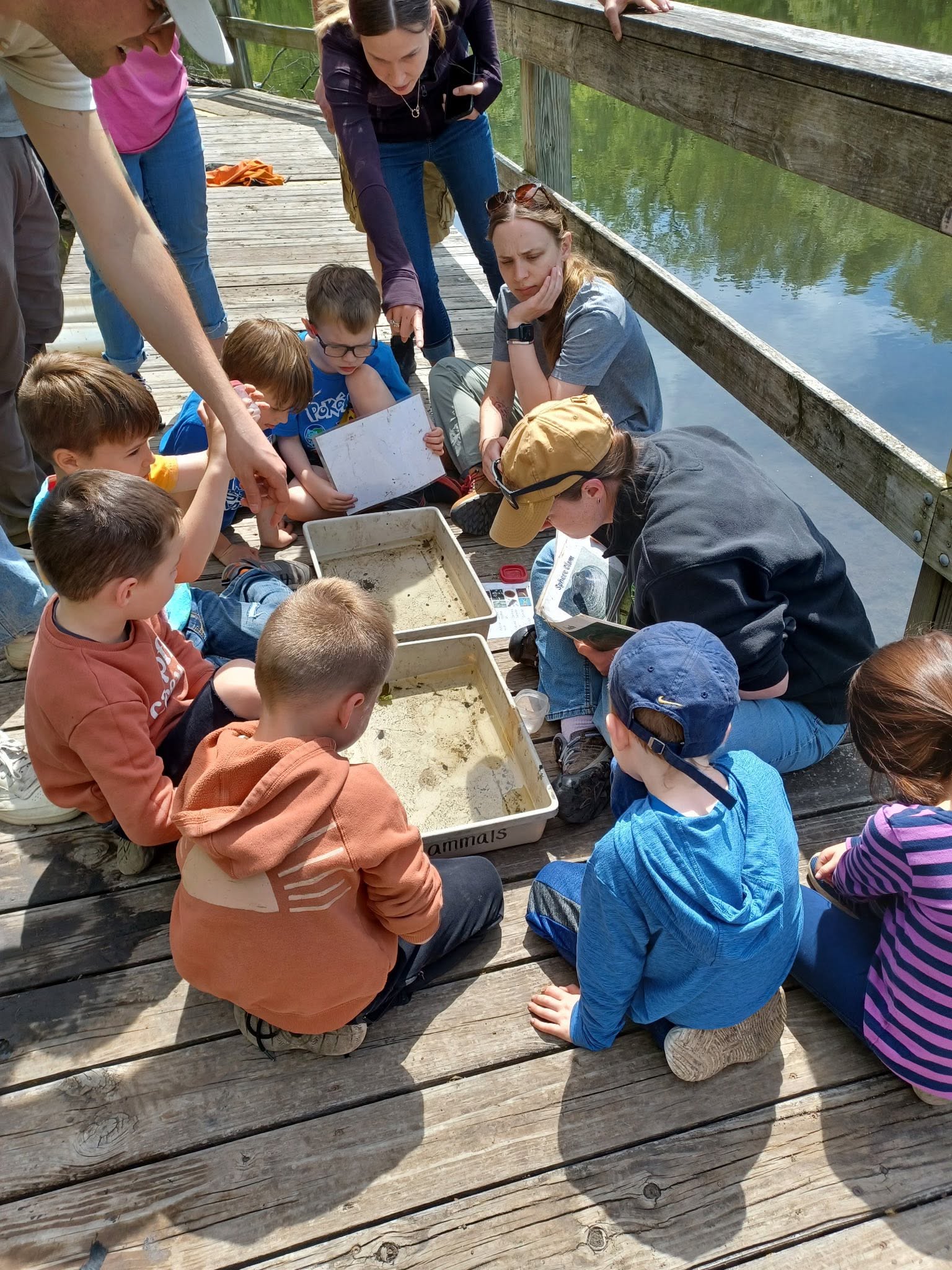
Morning
Outdoor inquiry and shared questions
On project days, students observe closely, ask questions together, and bring reading, writing, and math skills into a real investigation.
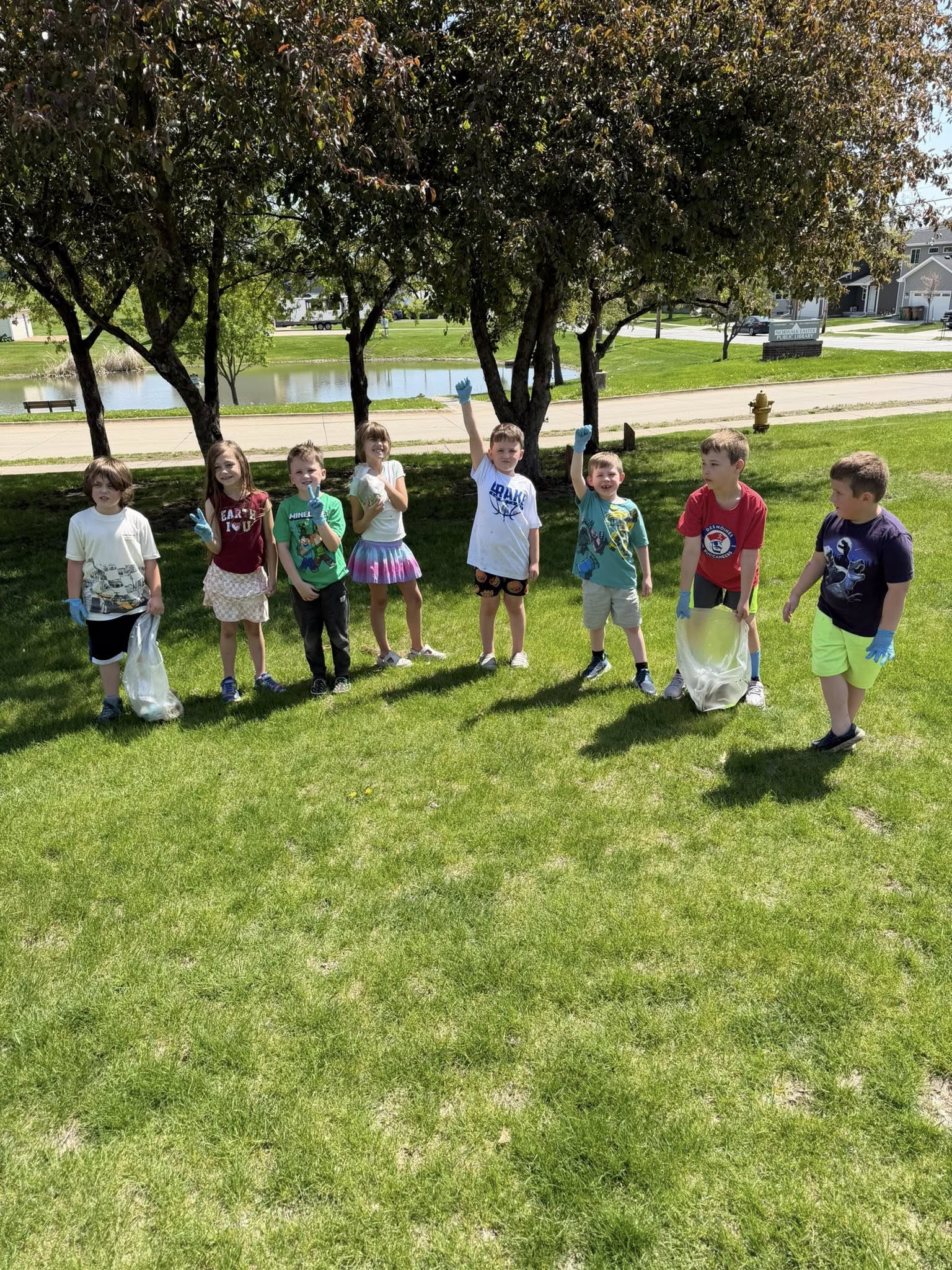
Ages 6–10
Reading, writing, math, and science taught in small groups, through strong relationships, and with room for children to go deep on things that matter.
A real day
The exact lesson changes, but the rhythm is dependable: connect as a group, work closely with teachers, practice independently, and apply skills in purposeful projects.
Morning
On project days, students observe closely, ask questions together, and bring reading, writing, and math skills into a real investigation.
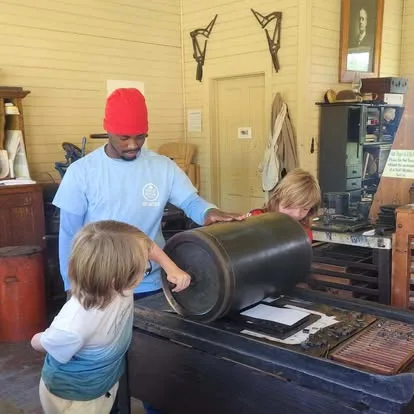
Late morning
A short shared lesson leads into teacher-guided work and independent practice, with a balance of required work and meaningful choices.
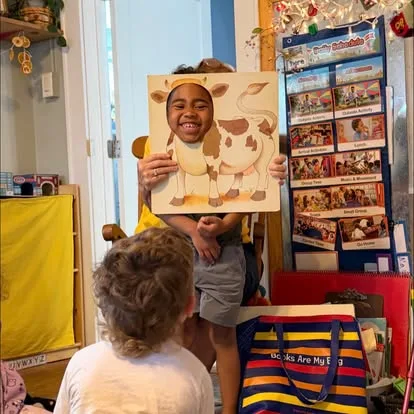
Afternoon
Read-alouds, art, movement, and project-based learning give students time to apply academic skills, make something purposeful, and reflect on the day.
The academics
The method is the proof. Families should be able to see how the work actually happens, not just hear that it is personal.
Students read in small groups matched to current skill, not just age, with explicit word work and real books.
How it works
Individualized pacing
A student can stretch in one subject while getting extra practice in another. Multi-age learning works best when it is specific, honest, and flexible.
Teachers can add challenge, depth, or the next skill as soon as current work is steady. Moving ahead does not require leaving the classroom community.
Small groups make gaps visible quickly. Teachers can slow the pace, change the explanation, and rebuild confidence alongside the skill.
Teachers notice changes in effort, confidence, and understanding, then talk directly with families about what they are seeing and what comes next.
Meet the teachers
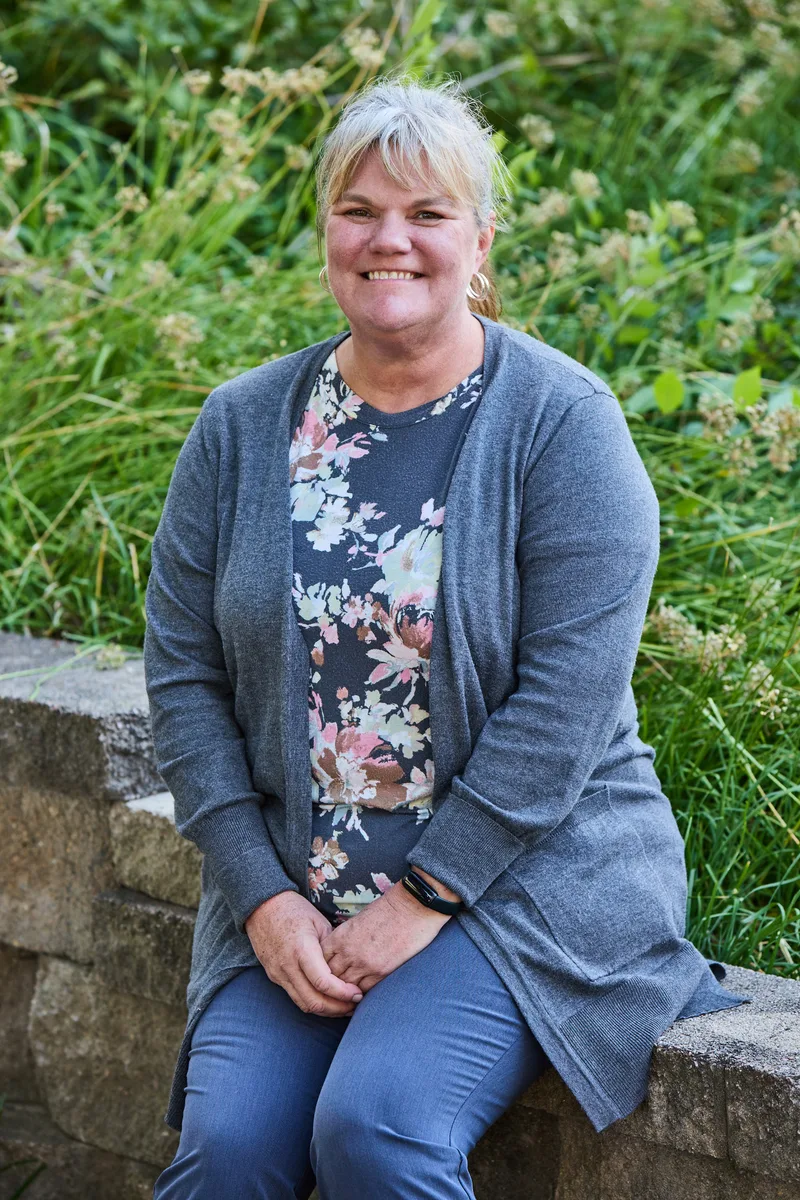
Upper Elementary Teacher
Susan earned a Bachelor of Science in Education from Truman University and a Multicategorical Special Education Certificate from Iowa State University. Across 33 years in education, she taught grades 3–5 in general and special education classrooms. Her Artful Learning background brings creativity, inquiry, and purposeful projects into the workshop-based upper elementary classroom.
Read full bioQuestions families ask
How teachers respond when school feels hard, learning levels vary, or families want a clearer picture of growth.
You can say that plainly. Tell us when the worry shows up, what your child says about school, and what has helped even a little. A visit gives you and your child a chance to notice the room without promising that you will enroll.
A student can move deeper or ahead in one subject while getting extra practice in another. Teachers can change the pace, explanation, and level of challenge while the student stays part of the same classroom community.
Teachers use observations, work samples, short skill checks, and conversations with families to explain what is steady, what is developing, and what comes next.
A visit lets families see the small-group rhythm, meet the teachers, and ask the questions that are hard to answer from a page.