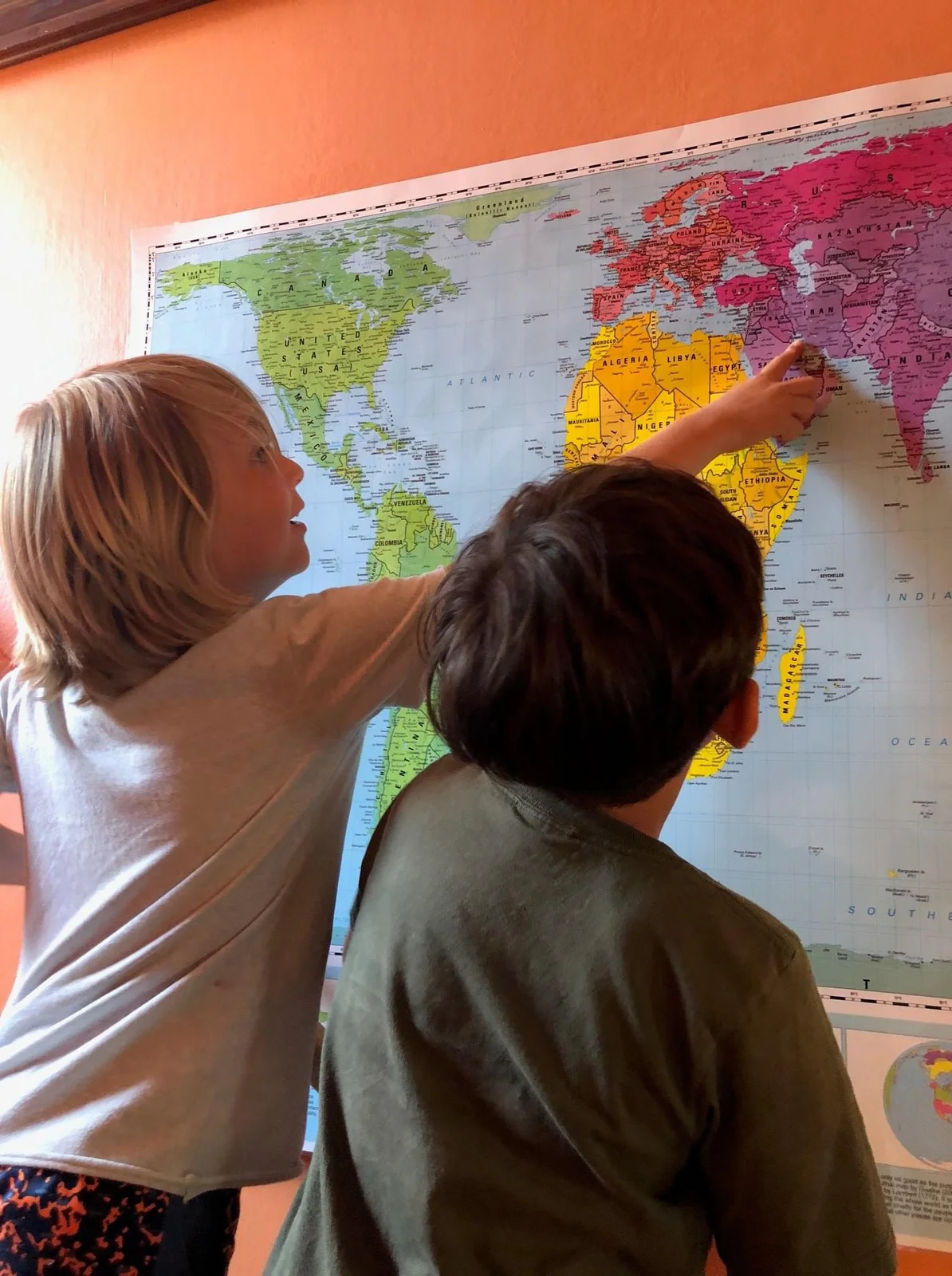
Morning
Current events and humanities
Students begin with news, discussion, reading, and writing. They practice explaining a view, listening carefully, and using evidence to support an idea.
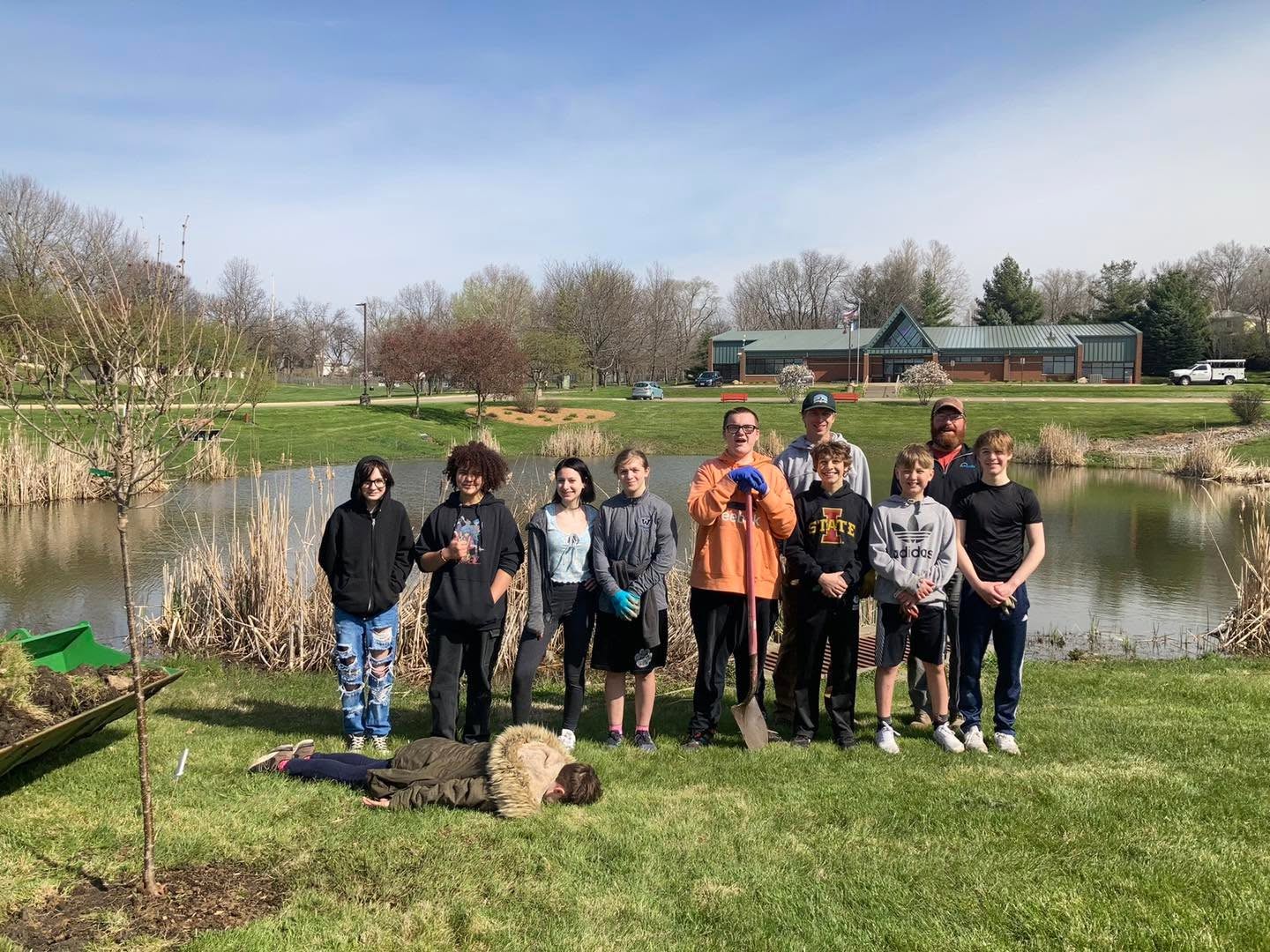
Ages 11–13
Middle schoolers here are taken seriously. Small groups, real mentorship, and genuine project work help them build academic habits, voice, and readiness for high school.
A real day
Middle schoolers get a clear plan and close adult support, along with increasing responsibility for their work, time, and follow-through.
Morning
Students begin with news, discussion, reading, and writing. They practice explaining a view, listening carefully, and using evidence to support an idea.
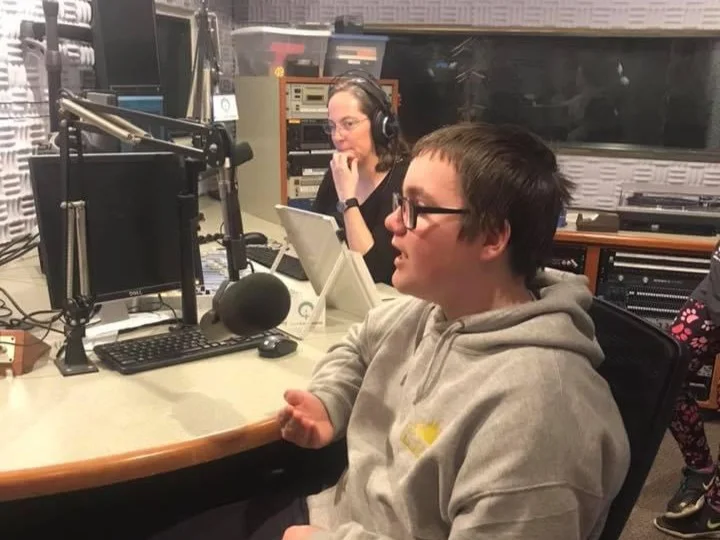
Midday
Longer work is broken into visible steps. Students research, interview, write, record, revise, and learn how to carry a project through to a public result.
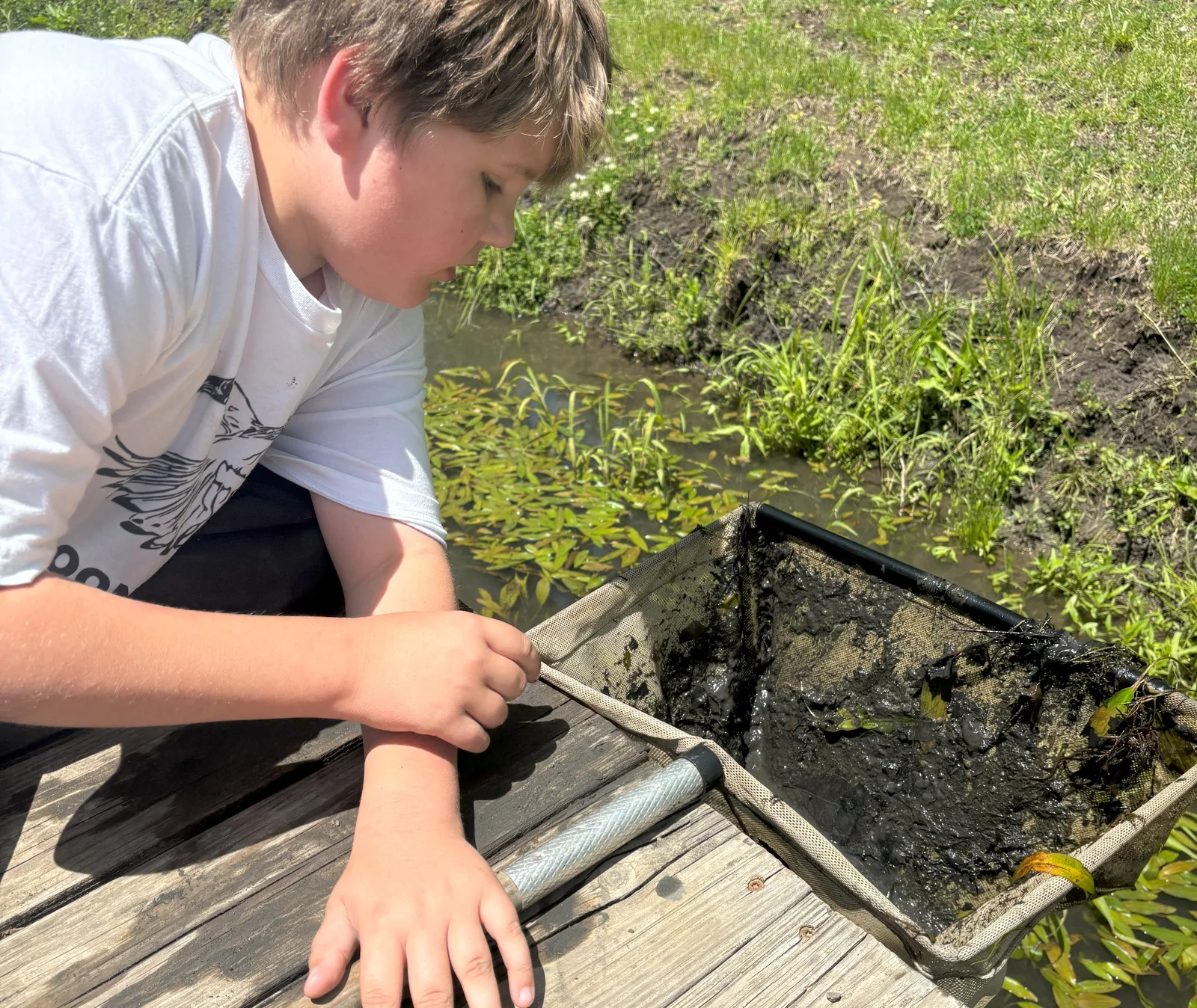
Afternoon
Outdoor study and individual project work are balanced with movement and time to review what was finished and what needs attention next.
The academics
The method is the proof. Families should be able to see how the work actually happens, not just hear that it is personal.
Students read, write, research, and discuss big questions with adults who take their ideas seriously.
How it works
Individualized pacing
A student can stretch in one subject while getting extra practice in another. Multi-age learning works best when it is specific, honest, and flexible.
Teachers can add challenge, depth, or the next skill as soon as current work is steady. Moving ahead does not require leaving the classroom community.
Small groups make gaps visible quickly. Teachers can slow the pace, change the explanation, and rebuild confidence alongside the skill.
Teachers notice changes in effort, confidence, and understanding, then talk directly with families about what they are seeing and what comes next.
Meet the teachers
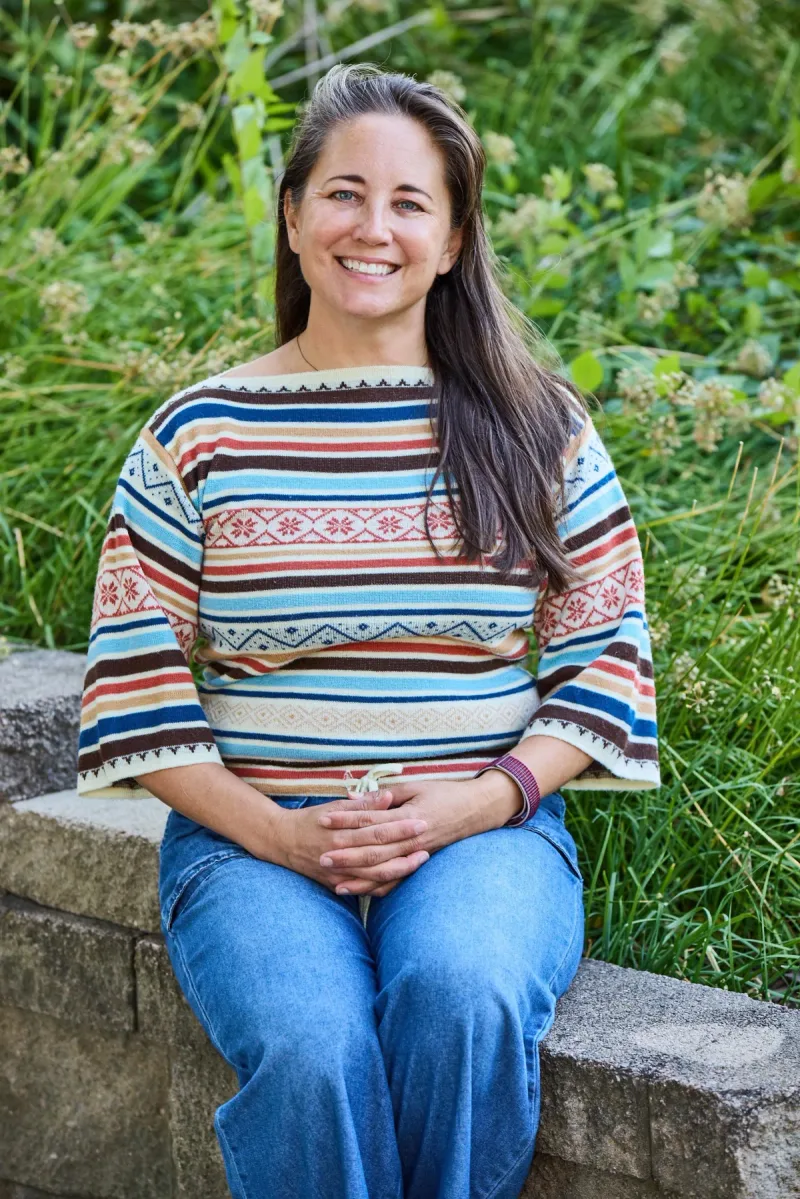
Founder, Director, High School & Middle School Teacher
I received my BS in Biology, science teaching certification and Masters in Education for Transformative School Leadership from Iowa State University. I started my teaching career as a high school science teacher but finally found my niche creating an independent learning community. I have been leading Main Street School since its inception in 2006. Apart from a passion for teaching, I enjoy spending time with my 3 kids and 2 dogs, travelling, digging in the dirt and playing in nature.
Read full bio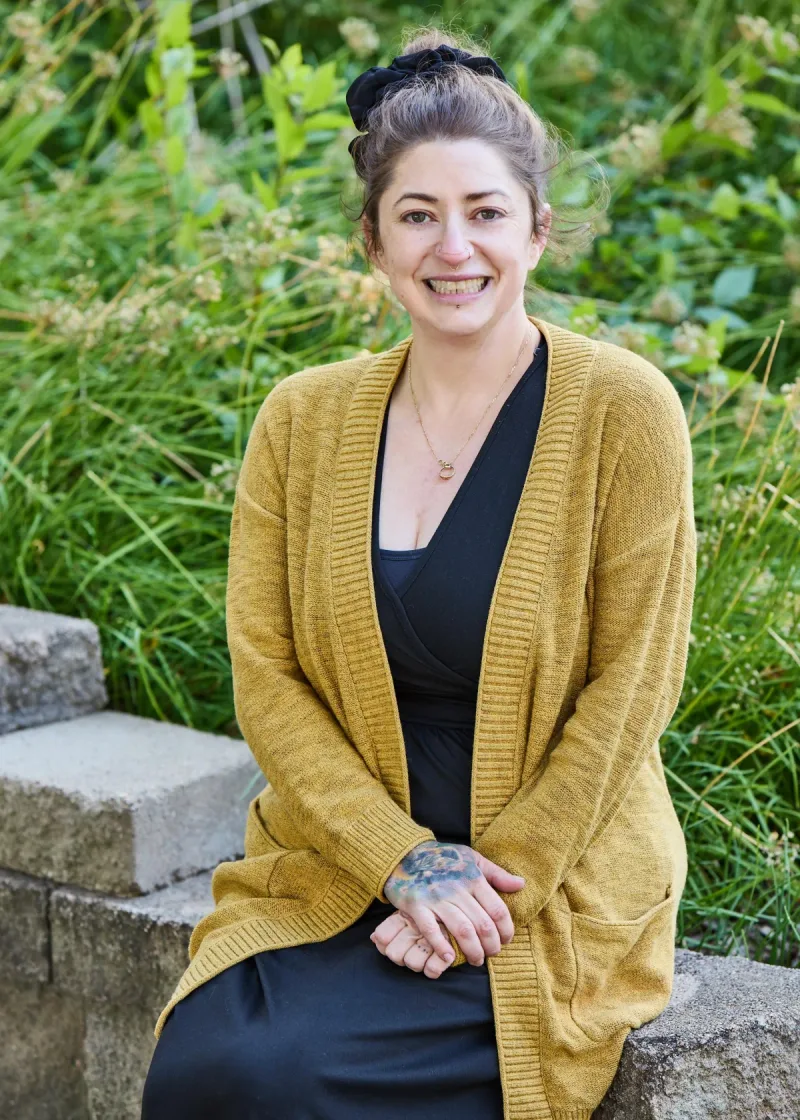
Middle School Teacher
Renée began her teaching career as a teacher's aide in Texas before completing her early childhood education certification. She has worked as a paraprofessional in elementary and middle school, a behavioral specialist in special education, an in-home behavioral specialist, and a pre-kindergarten teacher. She loves being in the classroom and, outside school, enjoys camping, hiking, writing, painting, and playing music with her wife.
Read full bioQuestions families ask
Peer fit, growing independence, and the shape of the school day all matter at this stage.
There is no single right group size for every student. Visit while school is in session, notice how your child responds, and ask about friendships, group work, mixed-age time, and any specific social concern.
Students get a clear plan and close adult support while taking increasing responsibility for their work, time, and follow-through. Teachers break longer projects into visible steps and use goal-setting and check-ins.
Students begin with current events, discussion, reading, and writing; spend time on research and longer projects; and balance outdoor study with individual work and reflection.
If traditional middle school feels like the wrong fit, come see what ours looks like and bring the questions that matter most.