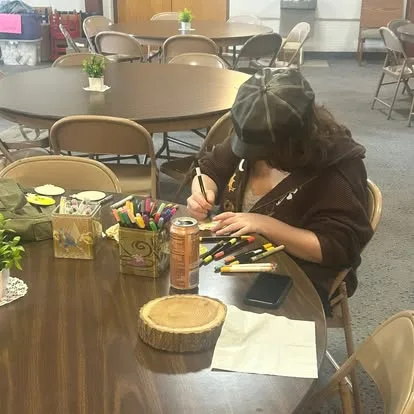
Morning
Focused coursework and independent study
Mixed-grade classes meet for direct instruction, discussion, debate, reading, and writing, followed by focused work at each student's course level.
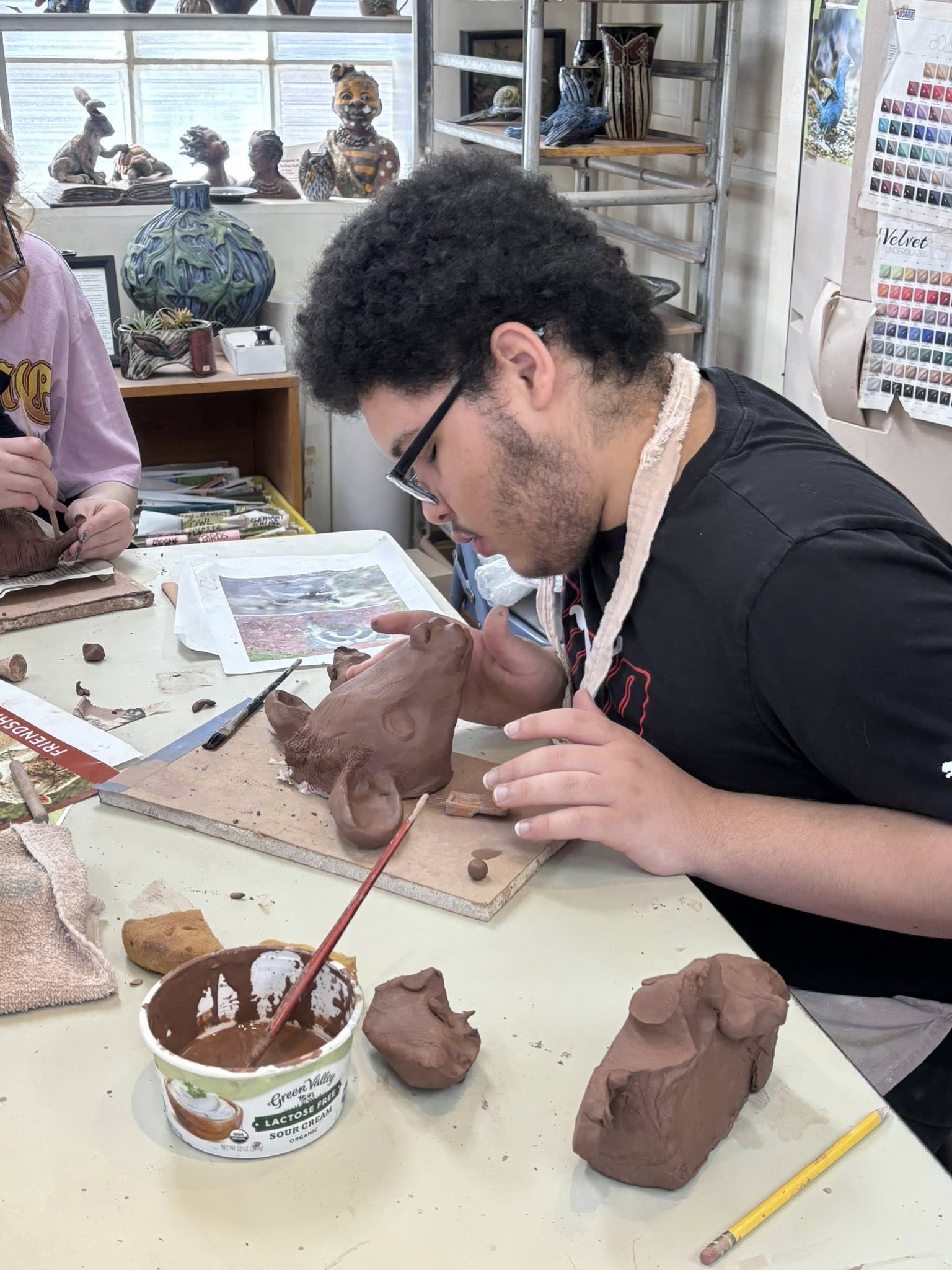
Ages 14–18
Mixed-grade coursework, flexible course planning, and close teacher support help students meet Iowa graduation requirements in an order suited to their learning needs.
A real day
Students begin with shared instruction and discussion, then use the afternoon for individual coursework, projects, and reading with teachers nearby.
Morning
Mixed-grade classes meet for direct instruction, discussion, debate, reading, and writing, followed by focused work at each student's course level.
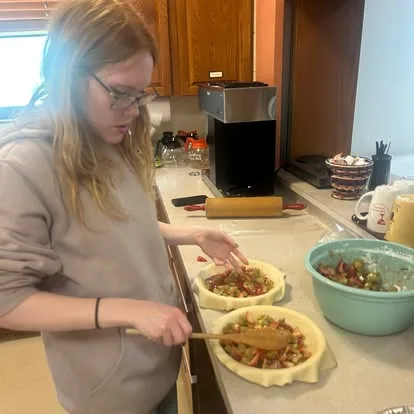
Afternoon
Afternoons leave room for individual projects, sustained reading, research, and practical work that asks students to apply what they know.
The academics
The method is the proof. Families should be able to see how the work actually happens, not just hear that it is personal.
History and English ask students to investigate, discuss, debate, research, write, and consider more than one point of view.
How it works
Individualized pacing
A student can stretch in one subject while getting extra practice in another. Multi-age learning works best when it is specific, honest, and flexible.
Teachers can add challenge, depth, or the next skill as soon as current work is steady. Moving ahead does not require leaving the classroom community.
Small groups make gaps visible quickly. Teachers can slow the pace, change the explanation, and rebuild confidence alongside the skill.
Teachers notice changes in effort, confidence, and understanding, then talk directly with families about what they are seeing and what comes next.
Meet the teachers
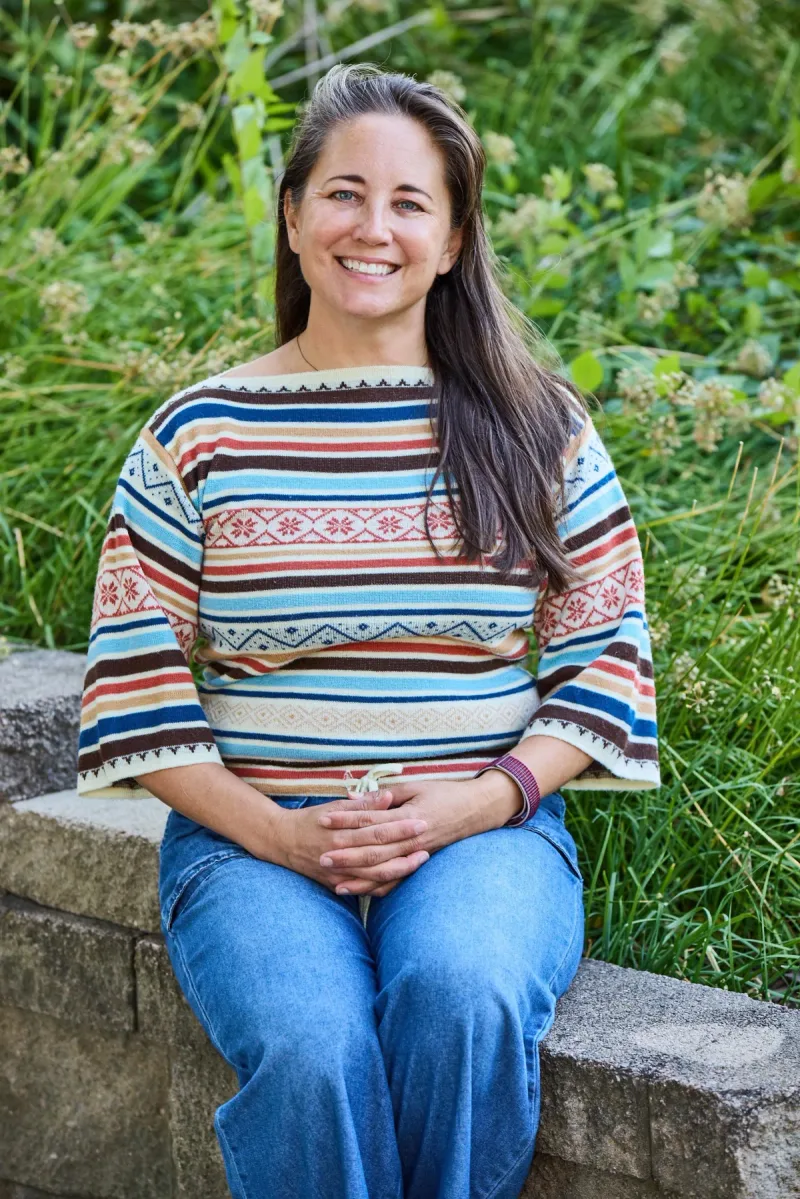
Founder, Director, High School & Middle School Teacher
I received my BS in Biology, science teaching certification and Masters in Education for Transformative School Leadership from Iowa State University. I started my teaching career as a high school science teacher but finally found my niche creating an independent learning community. I have been leading Main Street School since its inception in 2006. Apart from a passion for teaching, I enjoy spending time with my 3 kids and 2 dogs, travelling, digging in the dirt and playing in nature.
Read full bio
High School Teacher
I am Ms. Sheri, and I have taught at Main Street School for 9 years which happens to be longer than anywhere else in my 45-year teaching career. I have taught in a variety of schools, in a range of levels, in many different classrooms. I started my teaching career in the 1970s in Peace Corps/Zaire (Democratic Rep. of the Congo now) and went on to teach in Seattle, WA; Houston, TX: Knoxville and Indianola, IA as well as in private international schools in Turkey and Kuwait. Suffice it to say, I like to change climates from time to time. I love new experiences and learning about new places, cultures and people. That's one of the things that brought me to Main Street. I have loved the freedom to teach a curriculum that speaks to the interests of our kids while holding them to high standards. Teaching is said to be a career, but for me it has been my passion. When I am not teaching, you will find me enjoying my other passion: reading history and political science books on my porch with a glass of iced tea or coffee.
Read full bioQuestions families ask
Credits, course sequence, and the daily rhythm should be clear before a student changes schools.
Bring the student's current transcript or course list before making a decision. The school can review completed courses, remaining requirements, and how a proposed sequence would work. Do not assume every course will transfer automatically.
Students meet Iowa graduation requirements through a sequence of courses arranged around their learning needs and available offerings. Course order can vary, and teachers keep requirements and progress visible.
Students begin with direct instruction, discussion, reading, and writing, then move into work at their course level. Afternoons leave room for individual coursework, projects, sustained reading, research, and practical work with teachers nearby.
Meet the teachers, see the space, and bring the questions that are hardest to answer in writing.